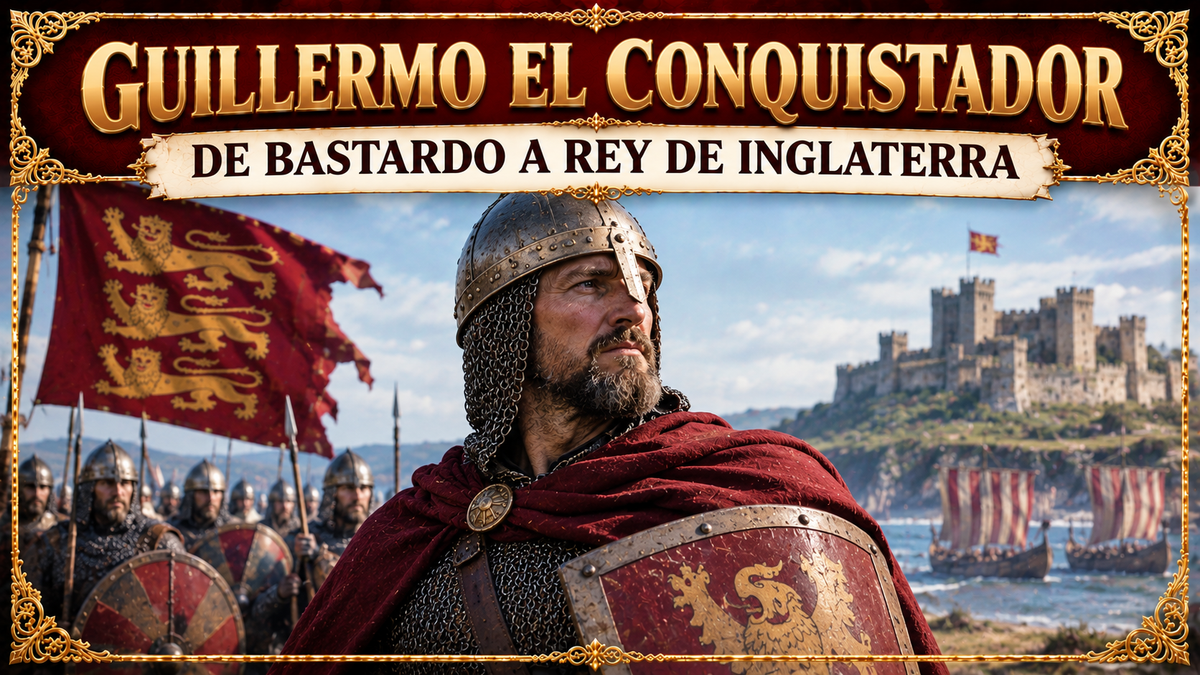
What is historical reenactment?
Historical reenactment is a cultural activity that seeks to represent how people lived in other eras through documented clothing, objects, trades, and customs, so those who participate in it research a specific period and prepare clothing and materials consistent with available historical knowledge.
Some reenactments focus on everyday life, crafts, or food, while others represent military events, camps, and historical episodes.
In Spain, this hobby covers very diverse periods, from Roman Hispania to the Middle Ages, the Tercios of the 16th and 17th centuries, or the Napoleonic Wars, and activities can be held at historical days, museums, castles, archaeological sites, and festivals.
In addition to enjoying the experience, participants help spread historical knowledge among the public.

Practical guide to getting started step by step
1. Choose a historical period.
The first step is to decide which period you would like to reenact.
You can choose it based on personal interest, the history of your town, or because certain aspects appeal to you, such as the lives of Roman legionaries, medieval trades, or the uniforms of 19th-century armies. You can also consider historical reenactment activities nearby that you might find interesting to join and fit into; this is sometimes a good start, as it also makes it easier to find references or help within the community.
You do not need to make a final decision from the beginning, but you should define a period to guide your initial research.
2. Attend an event before buying the equipment.
The best thing to do is visit a historical reenactment as a spectator and take the opportunity to talk to the participants: ask what materials they use, how long they have been practicing this hobby, and what difficulties they encountered when they started.
Observing an actual activity will allow you to learn the differences between the types of reenactment for the era you chose and others... this can help you decide which one suits you best if you still have doubts.
3. Look for reliable information and documentation.
Before buying clothes or accessories, research how people dressed in that period, what materials they used, and what objects were part of their daily lives: consult specialized books, academic publications, museum catalogs, and archaeological studies.
If you find images of reenactments on the internet, use them as an initial reference, but cross-check their details with reliable sources to try to achieve greater accuracy in the future: everyone may take certain liberties for convenience or adaptation, but if you only use references from other reenactors, you run the risk of falling into a chain of “adaptations.”
4. Locate a historical reenactment association.
Look for groups specializing in the chosen era and check their activities and participation requirements.
Before buying the clothing or equipment, ask its members for advice on the necessary materials, second-hand options, and making your own, so you can prepare your equipment properly and control initial expenses, including travel and activities.
5. Prepare your first outfit.
Once you have chosen a period and consulted with experienced reenactors, start gathering the necessary garments.
Prioritize the basic elements and make sure they are suitable for the period, location, and character you want to represent.
You can make some pieces yourself, turn to specialized artisans, or look for second-hand items, always checking their historical accuracy and origin.
6. Calculate the initial budget.
The cost depends on the era and the necessary equipment; in addition to clothes and footwear, you may need accessories, tools, or specific materials. The level of added detail and the choice of the character you want to represent will also come into play, as a villager will not require the same as a noble or knight, for example.
Before buying, check which elements are essential and which ones you can acquire later.
Taking advantage of second-hand garments and making some pieces yourself will help you reduce expenses without sacrificing historical accuracy.
7. Participate in your first activities.
Once you have the basic material and know the rules of the reenactment activities, you can join gatherings, workshops, and various historical days.
Listen to the instructions of the most experienced participants and ask questions when you have doubts.
If the activity includes craft demonstrations or military practices, follow the safety instructions and use only authorized equipment.
8. Improve your reenactment over time.
Training does not end when you get the outfit or at the first event you participate in; there is no need to rush. As you attend events, you will discover new details about the garments, objects, and customs of the era.
You can expand your research, learn craft techniques, or specialize in a specific character, improving your historical accuracy, aiming for new projects, or perfecting those you have already completed.

What historical reenactment associations are there in Spain?
One of the best ways to get started in historical reenactment is to join a specialized association.
These groups bring together people interested in a specific era, organize activities, and help new members prepare their clothing and learn about the historical sources to research.
Roman Hispania
Roman Hispania is a cultural association dedicated to spreading knowledge about the history of Rome, with special attention to the era of Augustus and the Cantabrian Wars.
Its activities allow you to learn about different aspects of Roman society, from clothing and daily life to the military sphere.
Ab Urbe Condita
This association, founded in Madrid in 2016, focuses on the dissemination and reenactment of Roman history between the 1st and 5th centuries.
Its activities cover customs, material culture, and different aspects of civilian and military life, and it is an option for those who want to delve deeper into Roman society and participate in historical dissemination initiatives.
Spanish Association of Historical Reenactors
The Spanish Association of Historical Reenactors is mainly linked to the reenactment of the Napoleonic period and the early 19th century, and its participants represent military and civilian characters from that era through uniforms, clothing, and educational activities.
GRH El Comité
GRH El Comité specializes in the historical reenactment of the Spanish Civil War, between 1936 and 1939.
The association develops research and dissemination activities, in addition to participating in events related to this period, so it can be interesting for those who want to study and represent contemporary Spanish history.
Spanish Napoleonic Association
The Spanish Napoleonic Association brings together entities dedicated to the study and reenactment of the Napoleonic period, and through its member groups, it is possible to find activities in different locations and learn different ways of representing the events of the early 19th century.