







Kitchen utensils in Ancient Rome: functionality and tradition
Roman cuisine was a reflection of the ingenuity and sophistication of its society. From basic utensils to elaborate bronze and ceramic pieces , each element had a specific function within Roman gastronomy. Homes and taverns featured tools designed to prepare dishes such as breads, soups, and roasts, keeping the culinary traditions of the Empire alive.
Main kitchen utensils in Ancient Rome
- Caccabus : A clay or bronze pot used for cooking stews and soups over a fire.
- Rotula : Metal pan, similar to the current one, used for frying food and preparing sauces.
- Mortarium : A ceramic mortar with a rough surface, essential for grinding spices and preparing condiments.
- Culinary spatha : Kitchen knife with a wide blade, used for cutting meats and vegetables.
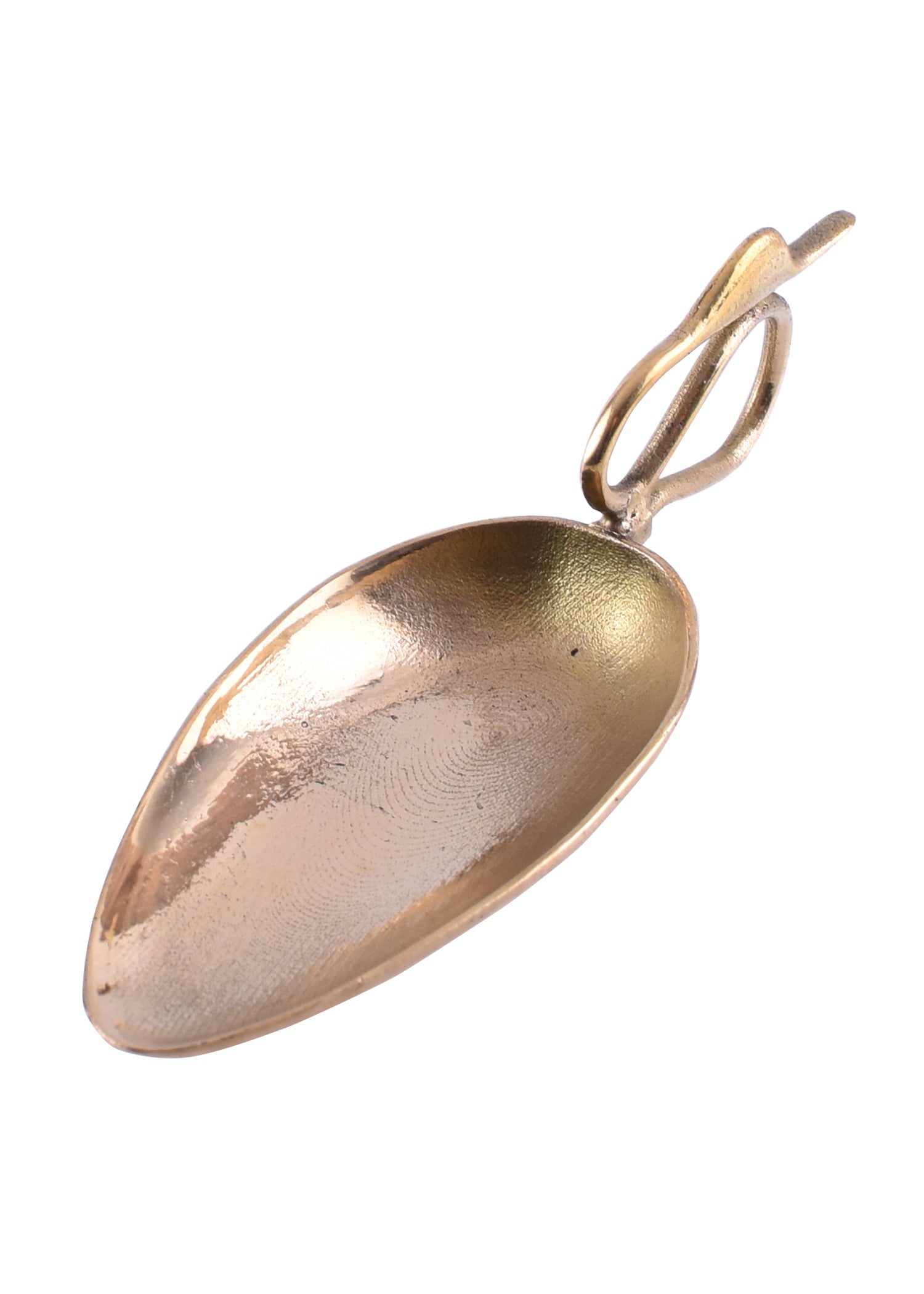
- Trulla : A bronze ladle for serving broths and sauces.
- Column : A perforated metal or ceramic strainer, used for filtering liquids such as wine or sauces.
Materials and characteristics of Roman utensils.
- Clay and ceramic : Widely used for their heat resistance and ability to maintain the flavor of food.
- Bronze and iron : Common materials used in knives, pans and casseroles, ensuring durability.
- Wood : Present in knife handles, ladles and cutting boards.
- Glass : Used in jars and containers for storing oils, honey and sauces.
Differences with utensils from other cultures.
- Greater variety of tools : Unlike barbarian peoples, who used more rustic utensils, the Romans had a wide range of specialized tools.
- Widespread use of spices and condiments : Mortars and strainers were essential for making complex sauces, such as the famous garum.
- Refined materials : While other cultures used primarily wood and stone, the Romans used high-quality metals and ceramics.
The legacy of Roman cuisine
Many Roman utensils have survived into modern gastronomy, influencing cooking methods and the design of kitchen tools.
If you're looking for replicas of Roman kitchen utensils for historical reenactment, collecting, or decoration, at Tienda Medieval you'll find pieces inspired by the cuisine of the Roman Empire.
Reviews
vicentaFue fantástico 100℅ recomendable
FernandoCalidad del producto, seriedad y rapidez en el envío.
Santiago AlejandroMuy buen producto, punta lanza es muy bonita y vino bien embalada y protegida.
JOSE ALEJANDROun excelente producto una excelente atención les recomiendo 100%
RicardoExcelentes productos y una magnífica atención por su parte, totalmente recomendable, seguiré comprando
AdriánUn indudable 5, súper fácil de comprar ya que la página es muy intuitiva al buscar productos y hacer los pagos. Aproveché la increíble oferta que pusieron para la Anduril (me di cuenta gracias al maravilloso TikTok) y sin duda una pieza increíble, unos detalles muy muy bonitos y nada mas agarrarla se nota la calidad del producto. Muchísimas gracias por el servicio, ya se que se puede confiar plenamente en tiendamedieval para cualquier pieza de dicha época e incluso de la ficción. Gracias de nuevo, buenas tardes 😊
AntonioRápido, cómodo y seguro....buen producto, lo recomiendo...
MiguelUn producto muy bueno, mejor de lo que me esperaba, muy buena calidad , 100% recomendable
AarónExcelente producto
Jose MaríaExcelente un producto 100% lo recomiendo