




In 1337, a clergyman was murdered outside a church in London. Seven centuries later, a professor of criminology at Cambridge University claims to have discovered the real motive.
This intriguing case adds to their database of medieval murders, but stands out for its blend of espionage, adultery, revenge, and public execution. What began as a brutal act is revealed as a power struggle between the Church and the nobility.

The crime in the middle of a street in medieval London
It was the afternoon of May 4, 1337, in one of London's busiest thoroughfares: Westcheap Street, surrounded by markets, taverns and the constant flow of citizens.
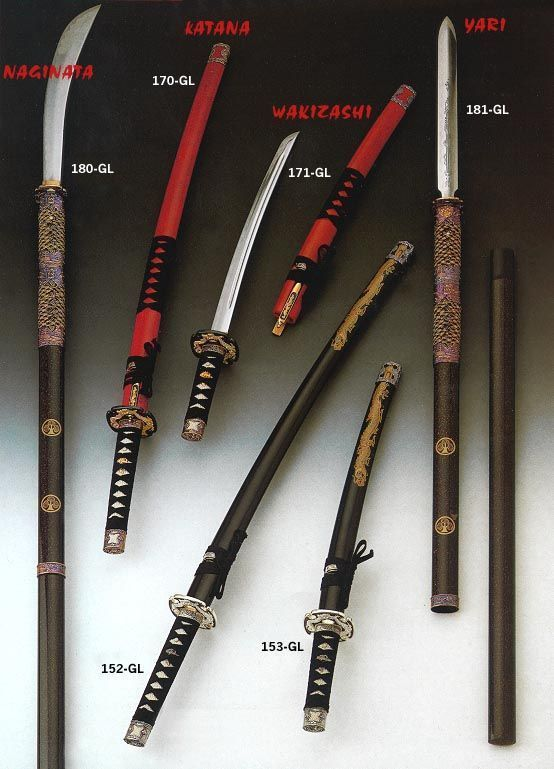
A priest, John Forde, left the cathedral only to be ambushed. One man slit his throat with an anelace (a medieval long dagger), and two others stabbed him in the abdomen with long knives.
It was a swift, public, and terrifying murder, worthy of a conspiracy series.
From religious figure to victim of planned revenge
Modern medieval researchers have traced letters and church records that reveal the author of the commission: a wealthy noblewoman named Ela FitzPayne.
Her husband had appointed the priest to the parish of their fiefdom in Dorset, and the woman had a love affair with Forde.
When the Church forced her into public penance, her anger transformed into a carefully planned revenge.

Espionage, adultery, and medieval justice
Archbishop Simon Mepham's letter, dated 1332, accuses FitzPayne of several affairs, including with Forde.
Her penance: to walk barefoot through Salisbury Cathedral every autumn for seven years.
That act of social humiliation led to deep resentment. FitzPayne, his brother, and former servants waited four years before carrying out their revenge in 1337.
Only one of the accomplices was charged five years later; the rest never faced justice.
The hunt for the mobile phone: aristocratic revenge
For criminologists from the "Medieval Murder Maps" project at the University of Cambridge, this case represents a paradigm: an elite, organized crime, with the participation of the nobility, servants and ecclesiastical morality as a backdrop.
The victim, a man of God, found himself caught between two powers: the religious administration and the feudal aristocracy.
The key to the case: the combination of adultery, social humiliation, political power, and bladed weapons.

Historical significance of crime and its modern resolution
This murder exposes several aspects of medieval justice: the protection of the nobility, the slowness of the criminal process, the weight of ecclesiastical morality, and the inequality between social classes.
Furthermore, it shows how what appeared to be an arbitrary homicide was actually a planned execution for aristocratic revenge.
Today, its resolution allows for a better understanding of the interaction between the medieval Church, the feudal nobility, hidden motives, and crime.
Reflection: From the 14th Century to the 21st Century
When a modern criminologist solves a 700-year-old murder, they are not only deciphering a remote past, but also illuminating the dynamics of power, violence, and morality that still resonate in contemporary society.
Crime is as old as the feudal system itself, but its modern study reminds us that the history of crime has deep roots, and that technology, research, and interdisciplinarity allow us to reinterpret those events that seemed forgotten.
Don't miss everything we have in our Medieval Shop for you.