







Although Johannes Gutenberg is primarily remembered for the movable type printing press, his life and career as an inventor were much broader.
The printing press did not emerge from nothing: it was the culmination of decades of technical work and a deep knowledge of materials, engraving and manufacturing.
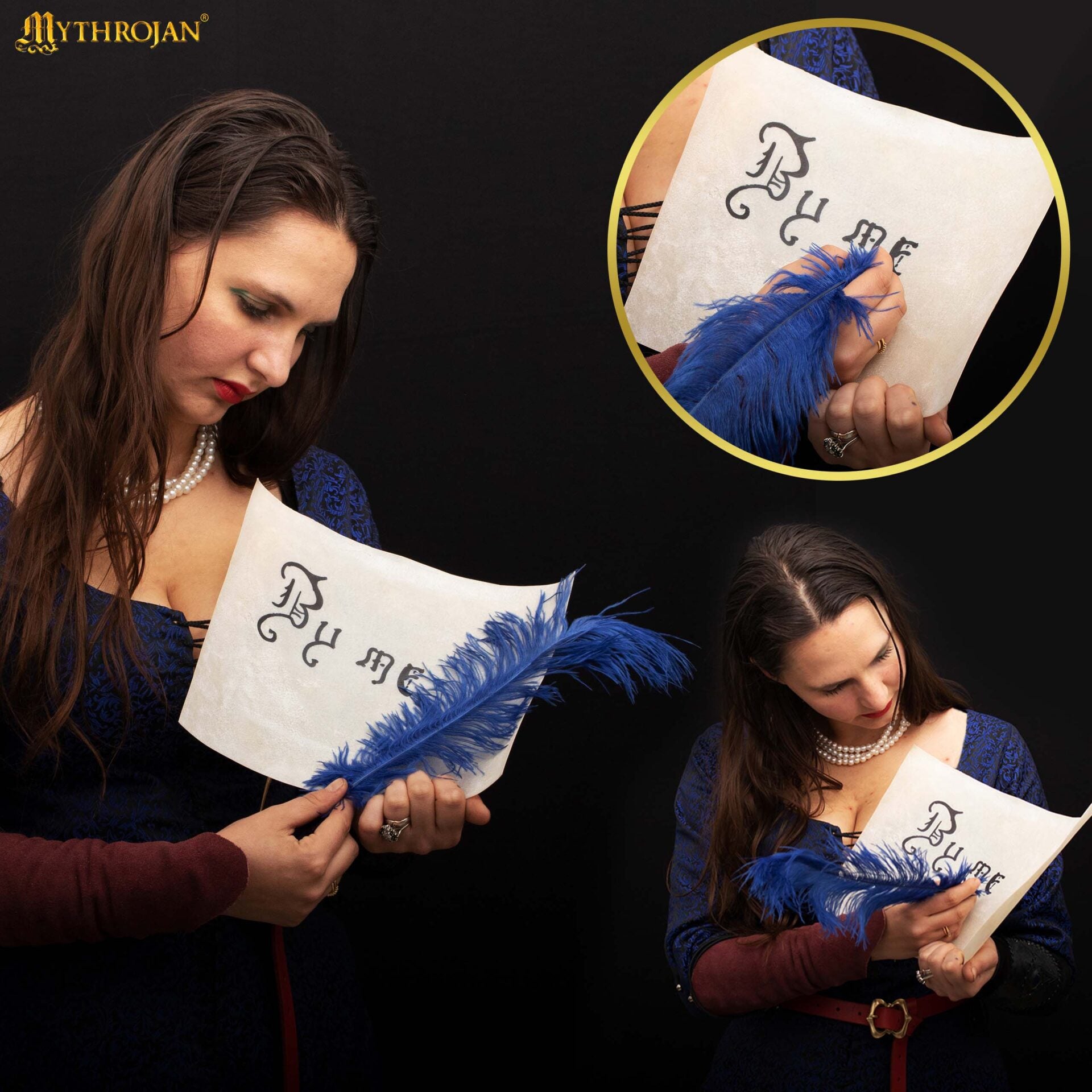
Cai Lun and the invention of paper: the essential medium for printing

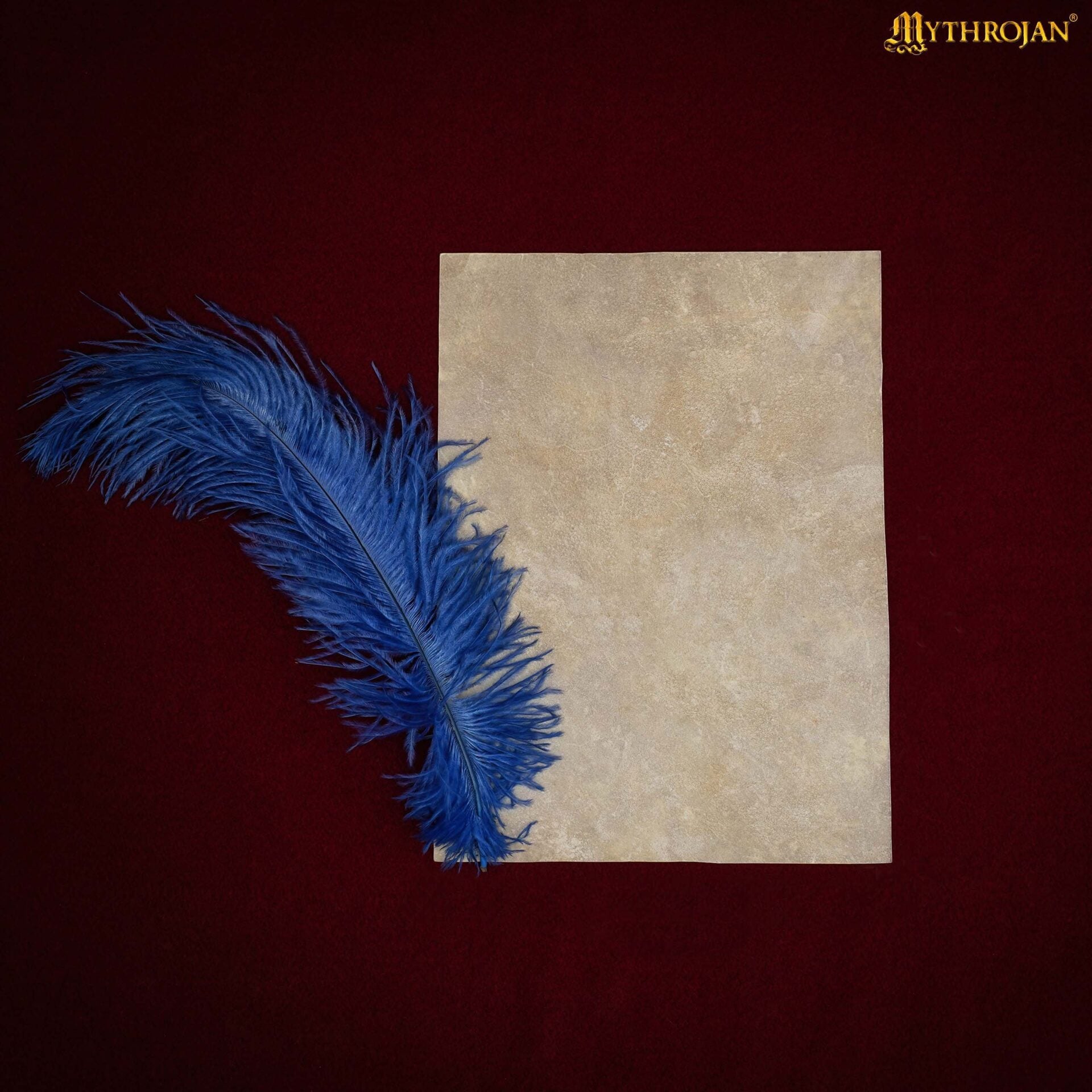
Long before Gutenberg, in 105 AD, the Chinese official Cai Lun created a strong, flexible, and inexpensive paper based on plant fibers and textile scraps.
This material spread slowly through Asia, later reached the Islamic world and finally medieval Europe, where it allowed books to be made more cheaply than parchment.
Without Cai Lun's paper—durable, lightweight, and suitable for absorbing ink—Western printing would have been unfeasible.
It was this medium that allowed the new printing technique to spread rapidly throughout Europe and become an unprecedented cultural engine.
Gutenberg's inventions and experiments before the printing press
Mirror manufacturing and mass production
In his youth, Gutenberg worked in the manufacture of mirrors for pilgrims, a product in high demand on medieval religious routes.
To meet this demand, he designed a mass production system that increased the speed and profitability of the process.
This first invention demonstrates his ability to optimize manufacturing and anticipates his capacity to create repeatable methods, something essential in the future printing of texts.
Casting, molding and alloying of materials
As a goldsmith, Gutenberg mastered metal casting, alloy preparation, and the precise manufacture of small parts. This knowledge proved crucial in designing the movable metal type (small, reusable, individual metal pieces, each with a letter, number, or symbol in relief), which required a perfect mixture of lead, tin, and antimony to withstand continuous use.
Mastery of these alloys was not common in the guilds: Gutenberg was able to innovate in a very technical area that required accuracy and strength.

Engraving, reliefs and the refinement of woodcut
Gutenberg also worked with engraving techniques and experimented with reproducing relief images, which allowed him to better understand how to transfer ink to a support.
In addition, he perfected woodcut, a technique that consisted of carving texts and images into wooden blocks.
Woodcut printing had one major limitation: the plates wore out quickly, making large print runs difficult.
This wear and tear likely planted the idea in Gutenberg of creating individual pieces—loose letters—that could be replaced without remaking the entire plate. From this arose the concept of movable type.
The printing press
Starting in the 1440s, Gutenberg began applying all this knowledge to design a machine capable of reproducing texts quickly and accurately. His main contributions were:
- Movable metal type, made from an alloy of lead, tin and antimony, is durable and easy to reproduce.
- The adjustable mold, which allowed for the creation of identical letters and the maintenance of a uniform quality on every page.
- The adaptation of the wine press, which applied regular pressure to the paper and guaranteed a clear print.
- An oil-based ink, thicker and stickier than traditional manuscript inks.
Within a few years, his invention spread throughout Europe, transforming education, religion, science, and politics.

Gutenberg was not only the father of printing: he was a versatile inventor whose ingenuity was shaped through multiple technical projects.
From mass-produced mirrors to innovations in engraving, casting, and woodcut, each of his inventions was a piece of the puzzle that made his final work possible; although without the paper invented by Cai Lun a thousand years earlier, this revolution would have been impossible.
Thus, the printing press is not just a medieval invention: it is the synthesis of centuries of human creativity.