


In the Middle Ages, hunting was much more than a simple recreational activity: it became a symbol of power, prestige, and skill among kings, nobles, and knights.
While for peasants and monks it was a source of food, for the feudal aristocracy it was a true social ritual. In a world where war and honor dictated the rhythm of life, hunting served to train the body, strengthen the spirit, and reinforce the social hierarchy.

Hunting as a school of virtues
Among the upper classes, big-game hunting was considered the noblest sport. Princes and knights learned from a very young age to ride horses, to endure harsh weather, and to skillfully wield weapons such as the lance and the sword. It was not merely a leisure activity: it was an essential part of chivalric education.
Alfonso X the Wise, in Las Siete Partidas, defined hunting as "the art of warring and conquering," reflecting its value as military training.
The young nobleman rode with a weapon in his right hand and a falcon or goshawk in his left, thus strengthening the arms destined for combat. Hunting molded character and taught virtues such as courage, self-control, patience, and strategy, all fundamental to the chivalric ideal.

Hunts: the quintessential feudal spectacle
Hunts were large-scale big-game hunts organized by kings and feudal lords in exclusive forests and enclosed hunting grounds. Medieval law reserved this practice for the nobility, prohibiting serfs and commoners from participating. In the charters of Sancho VI of Navarre, for example, anyone who dared to hunt on lordly lands was severely punished.
These expeditions involved packs of hunting dogs, beaters, gamekeepers, and specialized farmhands. It was a social event that required preparation, logistics, and a very defined hierarchical structure.
Besides its recreational function, hunting helped to control dangerous animals, protect crops, and supply court banquets.

Falconry: the most refined art of the medieval nobility
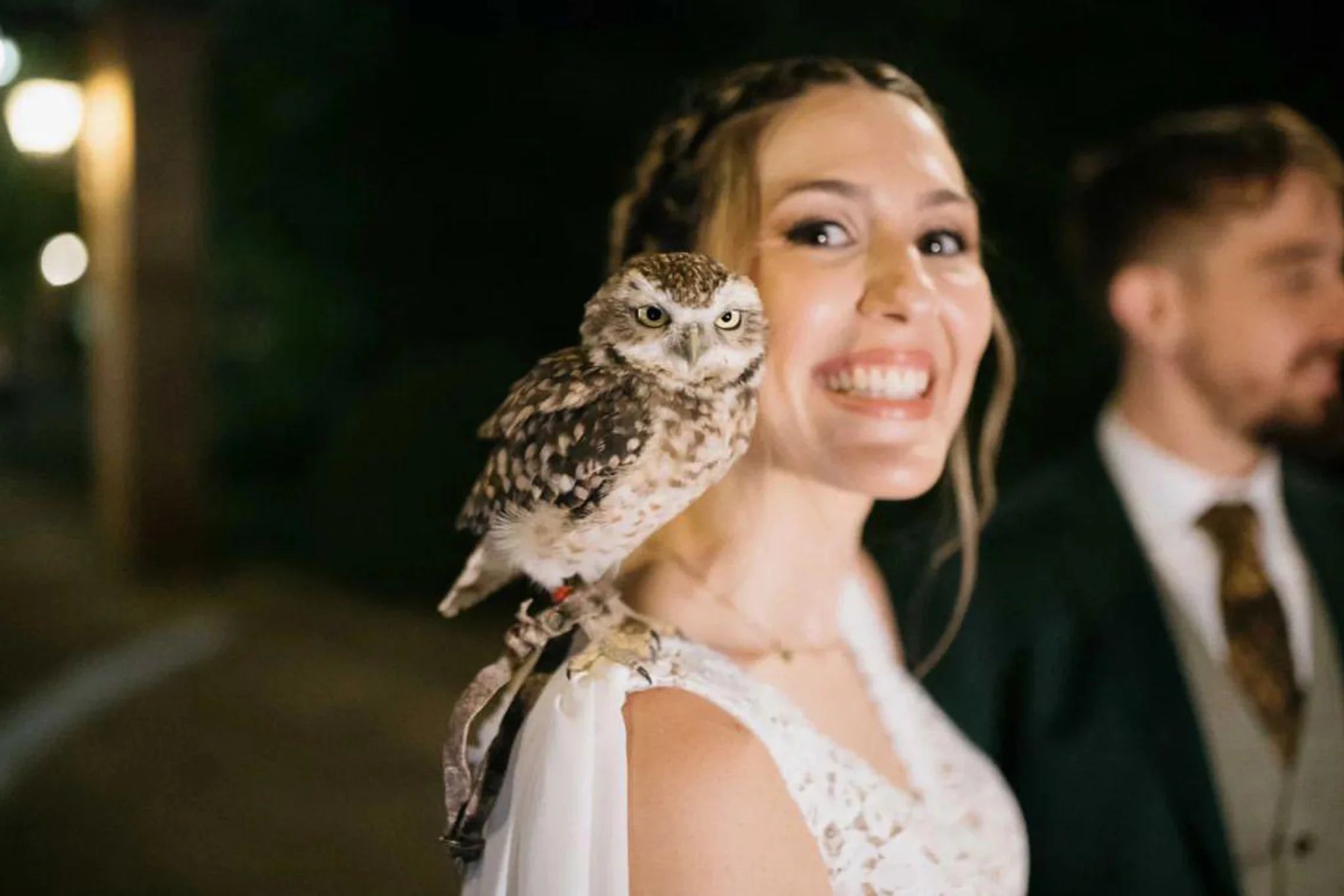
Falconry, or the art of flying birds of prey, was the most elegant hunting practice of the Middle Ages. Practiced mainly by the high nobility, it consisted of training falcons and goshawks to capture prey in flight.
Falconers, experts in their training, held a prestigious position within medieval courts.
According to Chancellor Pero López de Ayala, in his Book of Hunting with Birds, a good hunter should demonstrate prudence, calculation, and temperance—qualities also necessary for governing. It is no coincidence that scenes of kings with their falcons, symbols of authority and refinement, appear in the Cantigas de Santa María.

Hunting as an expression of medieval power
Hunting reflected the feudal order. Only the nobility had access to the royal forests, while the common people had to settle for small game or risk severe penalties. Besides being a sport, it was a means of territorial control and a key element of courtly culture.
In short, hunting in the Middle Ages was a true sport fit for kings, a ritual that showcased the power, skill, and political legitimacy of those who ruled. Its legacy still endures in our collective imagination regarding knights and medieval nobility.