









The Middle Ages, spanning the 5th to 15th centuries, is one of the most fascinating and mysterious periods in European history.
It has often been described as an age of darkness and superstition, but it was also a time of great advances, artistic creativity, monumental architecture, and unique customs that today seem as strange as they are captivating.

Historical curiosities
Social Context
Although many call it the "Dark Ages," the medieval reality was much brighter. Between the 11th and 14th centuries, universities, Gothic architecture, monasteries, and a thriving international trade flourished.
Cities like Toledo, Paris, or Florence became true centers of culture, where wisdom, religion, and art coexisted.
The rise of guilds and trade strengthened the urban economy, dispelling the image of a world frozen in time.
Bread as a dish
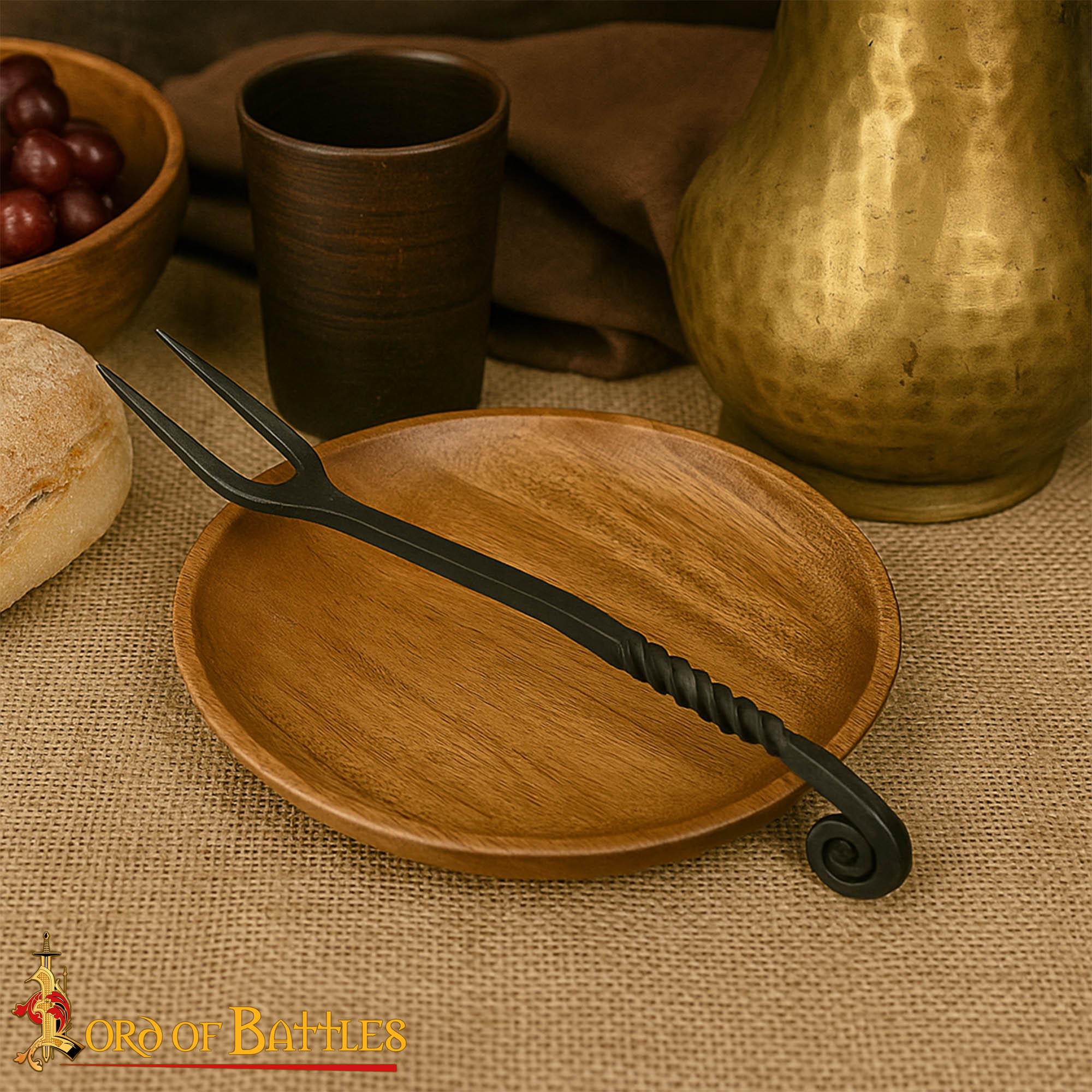
During medieval banquets, ceramic dishes were a luxury reserved for the wealthiest nobles. Most used large slices of stale bread called trencheras , upon which the food was served. Afterward, this soaked bread was either eaten or given to the poor—a common practice in 12th-century Europe.
Gentlemen since childhood
Becoming a medieval knight was a long and demanding process.
Noble children began as pages at the age of seven, learning manners, riding, and obedience.
At fourteen they became squires, accompanying their lord in battles and tournaments.
Only those who demonstrated courage, discipline, and Christian faith were knighted around the age of twenty-one. The investiture ceremony was a solemn act filled with religious and military symbolism.
Hygiene and public restrooms
In many cities there were public bathhouses where men and women washed, conversed, and closed business deals.
Medieval baths were places of social gathering, although over time some were closed for moral and sanitary reasons.
Body cleanliness, however, was part of daily life, especially among monks and noblewomen.

Medicine between science and superstition
Medieval medicine mixed science, religion, and popular beliefs.
The doctors followed the theory of the four humors (blood, yellow bile, black bile and phlegm), applying bloodletting, cupping and healing herbs.
Healings were also entrusted to saints and relics.
Although primitive, this medicine was the basis for future advances during the Renaissance.
Cats, witches and superstitions
From the 13th century onwards, black cats were unfairly associated with the devil and witchcraft.
The medieval Church promoted their persecution, which favored the proliferation of rats and contributed to the spread of the Black Death in the 14th century. A curious paradox of history.
The jousting tournaments
Medieval jousts were prestigious competitions between knights who faced each other with lances and armor. They were demonstrations of bravery and military prowess.
Despite their romantic reputation, they were dangerous: many participants died or were injured.
Even Henry II of France lost his life in one of them, reflecting the risk of this elite sport.
Medieval Night
The lack of public lighting turned the night into a territory of fear and superstition.
The walls were closed at sunset, and the streets were left empty.
Darkness was believed to belong to spirits, demons, and witches. Only the bravest dared to walk after curfew.

A world of light and shadows
The Middle Ages was not just wars and castles; it was also a world of faith, art, and symbolism.
Between crusades, monasteries, and fairs, ideas flourished that laid the foundations of modern Europe.
Knowing its myths, customs and curiosities helps us understand how that period of light and shadow shaped the history and culture that we continue to admire today.
Don't forget to visit our Medieval Shop , where you'll find lots of interesting products.